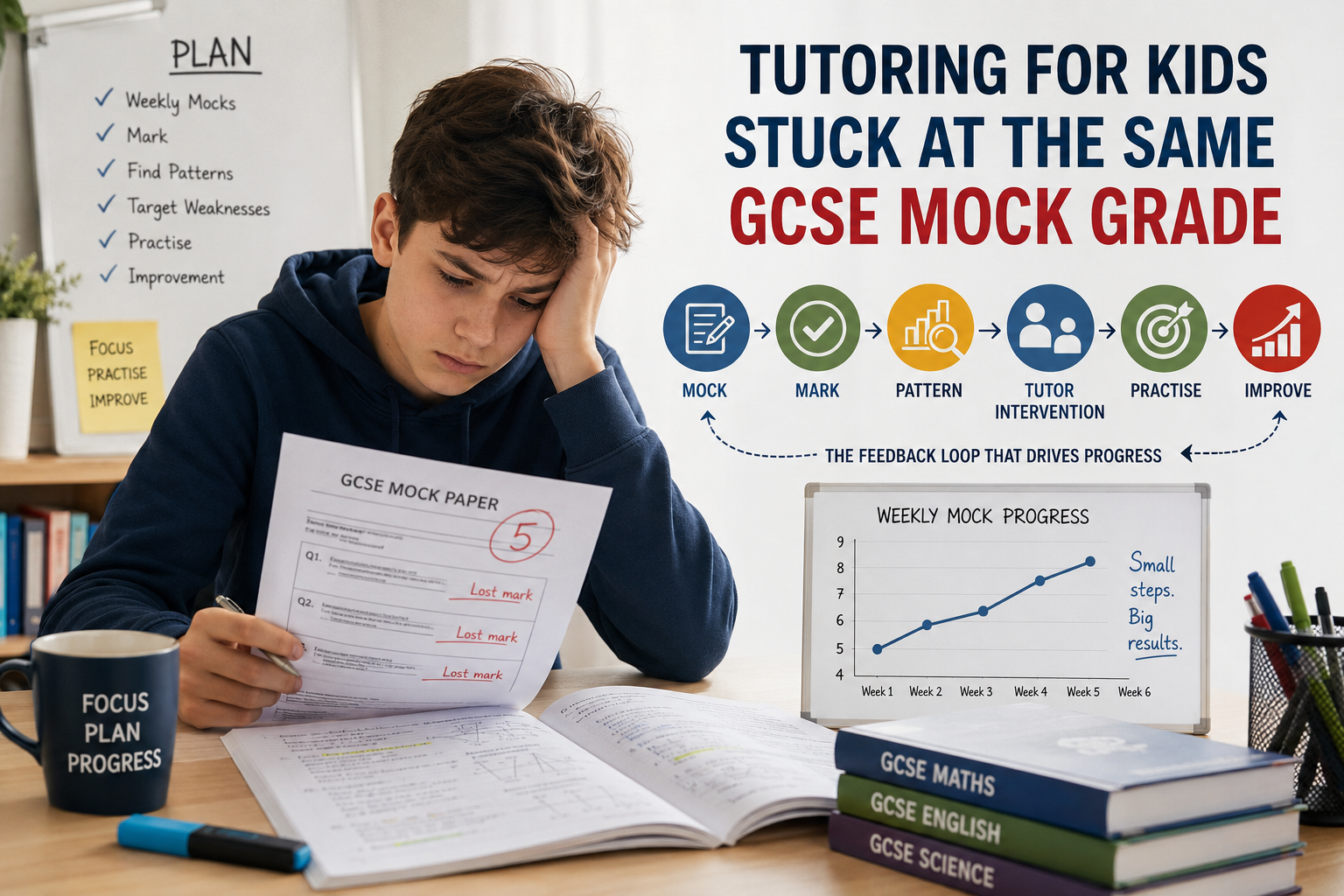



Score for Homework is 80%, & Tests are 40%? Try Tutoring for Kids
Why Children Perform Differently in Untimed Homework
Children tackle homework in comfortable settings. They receive help from parents during tricky moments. Unlimited time allows them to pause, rethink, and correct mistakes. No clock ticks in the background to raise anxiety levels.
Tests create an entirely different environment. Strict time limits force quick decisions. Children work alone without any guidance. The formal setting adds layers of pressure that many young learners never face at home. We notice how this shift exposes gaps in application rather than gaps in understanding. Tutoring for kids helps students experience that test environment and get used to it.
At Smart Kids Tutoring, we observe that homework often involves familiar topics with repeated practice. Children feel safe in that routine. Tests introduce fresh questions that demand immediate recall and adaptation. The absence of exam pressure at home masks these challenges until the real assessment arrives.
The Issue Is Exam Technique
Children run out of time before they complete all questions. They know the material but cannot organise their thoughts quickly enough. Misreading questions leads to answers that miss the actual requirement. Small wording differences throw them off completely.
These patterns repeat across different subjects. Parents report similar stories during our initial conversations at Smart Kids Tutoring. Recognition of these signs helps families move beyond generic explanations toward targeted solutions.
How Tutors Identify the Real Problem in the First Assessment
Our tutors begin with a careful assessment process. They review recent homework and test papers together. This comparison reveals exactly where the breakdown occurs. We examine not just answers but the thinking process behind them.
Tutors create mock test conditions during the session. They time specific tasks and note reactions. Observations include how quickly children start working and whether they check answers at the end. These insights prove invaluable.
We discuss findings openly with parents after the assessment. The goal remains clear identification of technique issues versus knowledge gaps.
The Tutoring Methods That Specifically Improve Test Performance
Timed drills form a core part of our approach. Children practise under realistic conditions that mirror actual exams. We gradually increase difficulty and speed requirements. This builds comfort with time pressure over multiple sessions.
Exam question breakdowns help children understand exactly what examiners want. Tutors teach them to highlight key words and plan responses before writing. These strategies prevent misinterpretation and wasted effort.
Confidence conditioning plays a vital role too. We guide children through positive mental routines before and during tests. They learn to recover quickly from one tough question instead of letting it derail everything.
Progress tracking keeps everyone informed. Regular mock tests show measurable improvements in scores and speed. Parents receive clear reports that highlight gains in specific areas. At Smart Kids Tutoring, we adjust methods of tutoring for kids based on these results to ensure steady advancement.
We see bright children who simply need better tools for exam situations. Smart Kids Tutoring addresses this distinction directly through structured support.
The right intervention will transform your child’s performance. Children gain control over their knowledge and apply it effectively under pressure. Parents report reduced stress at home and greater confidence in school. Reach out to Smart Kids Tutoring to see your child excel.